


Each room and each part of the house has its own unique purposes and features. That is why it is important to choose just the right types of materials to suit them. And when it comes to your walls and ceilings, what kind of drywall you’ll be using is one important choice to make. Fortunately, there are plenty of kinds of drywalls that caters to different needs and purposes.
Some drywalls are mold-resistant, some are highly fire-resistant, and some help soundproof rooms. Making the right choices and investments in these drywalls can help your walls and ceilings last longer and help you save on repair costs in the long run. To help you decide which one to choose, you should know what different kinds of drywall there are first.
What are the 7 Types of Drywall?
1. Regular Drywall

Regular drywall or whiteboard is the most commonly used kind of drywall and is the kind most people are familiar with. It is usually brown on the back and gray or white on the side facing the room. Among the types of drywall, it is the cheapest and it can be used anywhere in the house. In terms of durability, however, it doesn’t last long against any kind of water damage and will definitely succumb to mold and mildew.
2. Green Board Drywall
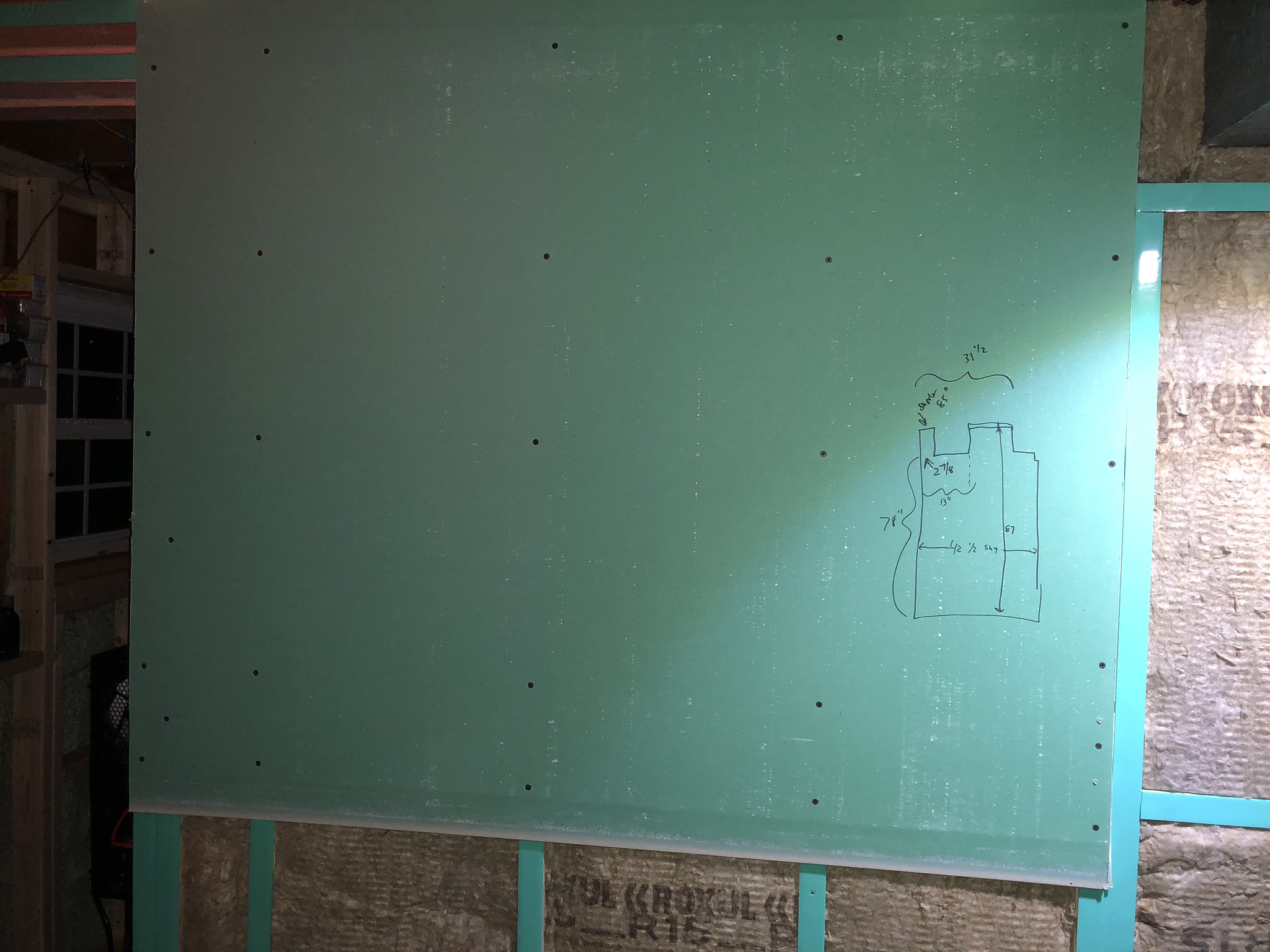
Green boards are also known as moisture-resistant drywall. These are more expensive than regular drywall, however, they’re more resistant to moisture and its effects. It has a coat of waterproof barrier that makes it perfect for you to install in places that see a lot of moisture such as kitchens and basements. However, it is still not fully waterproof and has a high chance of being damaged once in direct contact with water thus it is mostly used only as tile backers.
3. Blue Board Drywall
Stepping it up from the green board drywall, blue board drywall or plaster baseboard has both moisture and mold resistance properties. It’s surface paper has special absorption qualities and it is commonly used for veneer plastering in places with a lot of moisture. You can use these for places such as your laundry room and bathrooms. But much like the green board, it’s also susceptible to damage once it comes in direct contact with water. In addition to that, it also has noise reducing qualities.
4. Purple Drywall
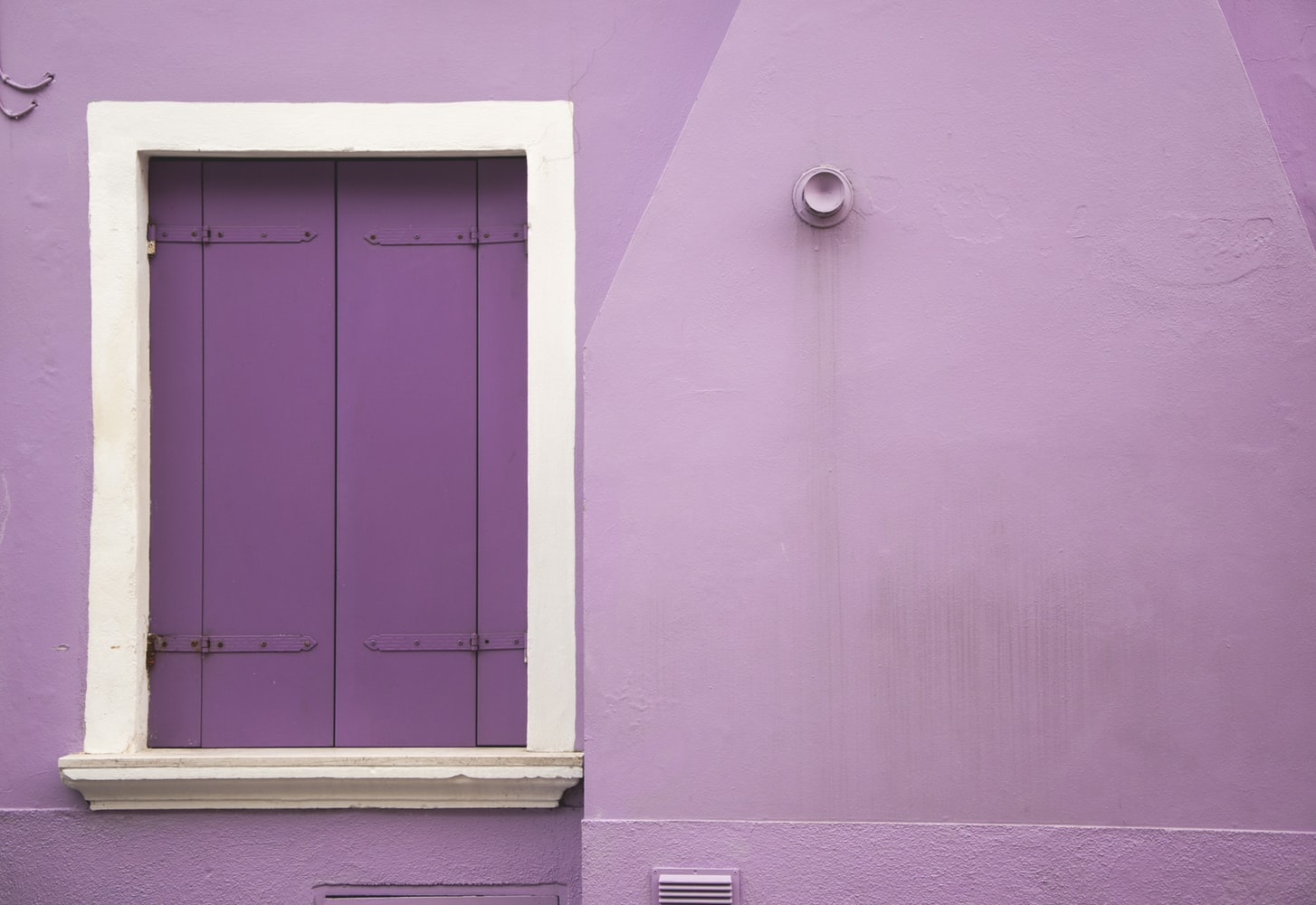
Just like the blue board drywall, the purple drywall is highly resistant to moisture, mold, and mildew. It is also highly resistant to scuffs, dents, and scratches allowing it to last longer and need fewer repairs over the years. Unlike the previous two, however, purple drywalls can also withstand direct water contact making it perfect for places like your bathrooms, laundry areas, garages, and other areas that are susceptible to rain and other sources of water.
5. Paperless Drywall
Paperless drywall is the newest innovation in the list of drywall types specifically made to combat moisture and mold. Just like traditional drywall, paperless drywall has a gypsum core sandwiched between two wrappings. But, instead of using paper as an outer wrapping paperless drywall uses fiberglass. Paperless drywall also uses a water-resistant gypsum core to combat moisture and mold both in and out. Unlike regular drywall, paperless drywall has some slight texture to it that requires the application of a joint compound for a smooth finish. It is also tougher than regular drywall, however, it is easier to cut. The only con with this type of drywall is that it’s more expensive than traditional drywall and might still not be available in some areas.
6. Fire-Resistant Drywall

Fire-resistant drywall or what is commonly referred to as Type X is not completely fireproof. But, it has glass fibers mixed into the gypsum making it highly resistant to fire. This drywall has achieved a 45-minute fire-resistance rating for a half-inch board and an hour resistance for a ⅝ inch thick board. It can be layered to increase its fire resistance. And it is most commonly required for shared walls between houses, internal garages, and stairwells. In addition to that, it is also thicker than usual drywall which improves its soundproofing characteristics.
7. Soundproof Drywall

Soundproof drywall has the same thickness as regular drywall. However, the soundproof drywall is denser and also more difficult to cut. Inside the front and back covers lie layers of wood fibers, gypsum, and polymers. These layers increase the Sound Transmission Class and reduce noise from getting to the other room. This type of drywall can be used in homes in a pretty noisy neighborhood or for music rooms.